- Flight from Amsterdam
- Cairo about 5 hours
- Time difference
- Usually 1 hour ahead
- Currency
- Egyptian pound
- Language
- Arabic
- Entry for Dutch citizens
- Passport 6 months, paid visa
Overview
Egypt revolves around the Nile. Between Cairo in the north and Aswan in the south, the great ancient sites lie along one line: Giza and Saqqara, the royal tombs near Luxor and the temples of Edfu, Kom Ombo and Philae. Since November 2025 the Grand Egyptian Museum has been fully open too.
Travel advice differs per region. That is why our sample programmes stay around Cairo, Luxor, Aswan and the Nile, and why we check each route against the advice of the day. This is above all a country for culture, at a calm pace, with the boat as the common thread.
- One river as the route Cairo, Luxor and Aswan lie on the Nile, in the part with yellow travel advice. That keeps the route clear.
- Sail instead of moving hotels Between Luxor and Aswan a group can sleep on a boat, so you pack and unpack less often.
- A trip for the winter From November to March the climate around Luxor and Aswan is pleasant, while Europe is cold.
Regions

Cairo and Giza
Historic Cairo and the area of Memphis and its necropolis, which includes Giza and Saqqara, have been on the World Heritage List since 1979. The Grand Egyptian Museum has been fully open since 4 November 2025, with its own galleries for the treasures of Tutankhamun. Allow two or three full days. Air quality in the city can be poor, and the khamsin wind can bring dust in March and April.

Luxor
Luxor stands on the site of ancient Thebes, a World Heritage site since 1979. On the west bank lies the Valley of the Kings, divided into an East and a West Valley, with over 60 tombs and about 20 unfinished ones. Go early, because summer temperatures climb above 40 degrees. You usually get here via Cairo, by air or by overnight train.
The Nile between Luxor and Aswan
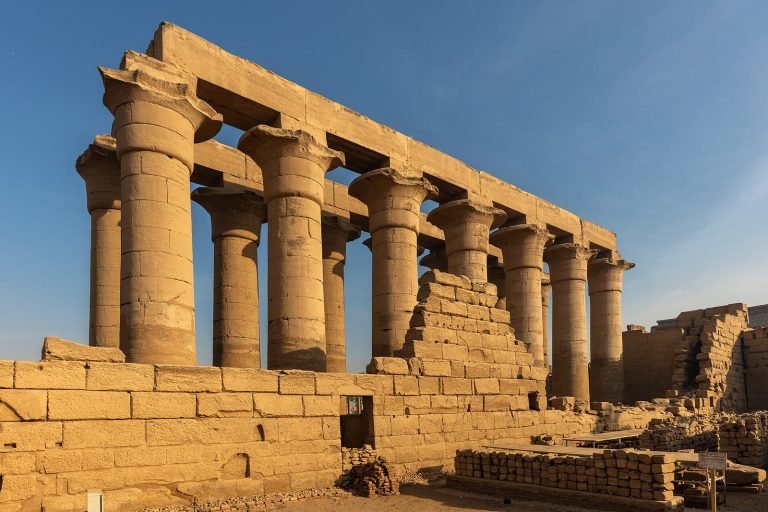
You usually sail this stretch of the river in a few nights, past Esna, Edfu and Kom Ombo, on a cruise ship or a dahabiya, a smaller sailing boat. The temple of Edfu, built between 237 and 57 BC, is one of the best preserved in Egypt. Kom Ombo is a double temple of the Ptolemaic period. Sailing is the calmest way to travel here.

Aswan and Abu Simbel
Near Aswan lies Philae, a temple complex on an island in the reservoir. The Nubian monuments from Abu Simbel to Philae have been on the World Heritage List since 1979. Abu Simbel itself lies far to the south, towards the border with Sudan, where the travel advice is red. We therefore look at a visit per trip, using the advice of the day.


What a day can look like
An illustrative example. We shape your own day with you.
From the first kings to the republic
- c. 3000 BC Egypt becomes one kingdom, by tradition under King Menes.
- c. 2500 BC In the Old Kingdom, Khufu builds the Great Pyramid at Giza.
- c. 1539 BC The New Kingdom begins, with royal tombs in the Valley of the Kings.
- 332 BC Alexander the Great invades, and the Ptolemies then rule until 30 BC.
- 969 After the Arab conquest, the Fatimids found Cairo as their capital.
- 1922 and 1953 Egypt gains formal independence and later becomes a republic.
At the table in Egypt

Koshari
Rice, pasta, black lentils and fried onions, with vinegar, garlic and hot sauce to taste. UNESCO heritage since 2025.

Ful medames
Slow-cooked fava beans with spices, a common breakfast, often with eggs and bread.

Ta'amiya
The Egyptian falafel, made with fava beans rather than chickpeas, often in warm baladi bread with tahina.

Molokhia
Finely chopped jute leaves simmered in broth and finished with garlic and coriander, often with rice and chicken.
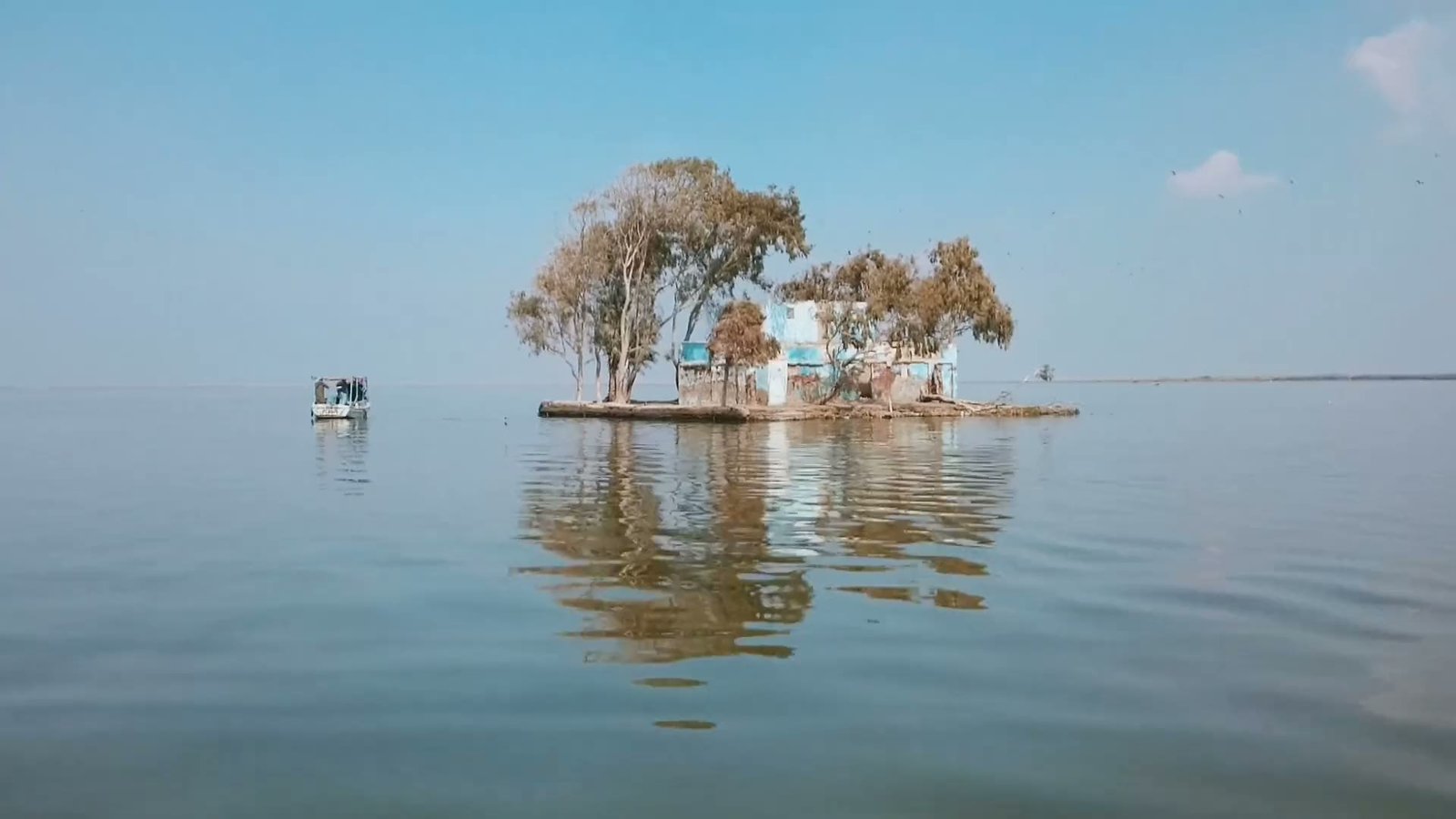
Around Aswan there are small Nubian guesthouses, often run by families, in simple coloured houses with a roof terrace. On the Nile itself you sleep on a dahabiya, a traditional sailing boat, instead of in a hotel.
When to go
For Luxor, Aswan and the Nile, October or November to March are the best months. In April and October days already reach around 35 degrees, and from May to September they average 39 to 42 degrees. Cairo is comfortable from October to April. Rain hardly matters here, but heat does. Keep Ramadan in mind in the winter of 2027.
| Region | January | February | March | April | May | June | July | August | September | October | November | December |
|---|---|---|---|---|---|---|---|---|---|---|---|---|
| Cairo and Giza | good period | good period | good period | good period | possible | less suitable | less suitable | less suitable | possible | good period | good period | good period |
| Luxor | good period | good period | good period | possible | less suitable | less suitable | less suitable | less suitable | less suitable | possible | good period | good period |
| The Nile between Luxor and Aswan | good period | good period | good period | possible | less suitable | less suitable | less suitable | less suitable | less suitable | possible | good period | good period |
| Aswan and Abu Simbel | good period | good period | good period | possible | less suitable | less suitable | less suitable | less suitable | less suitable | possible | good period | good period |
good period possible less suitable
Start planning it yourself
Slide through the year
Cairo
- Daytime
- 32 °C
- Night
- 18 °C
- Rain
- 0 mm
Luxor
- Daytime
- 39 °C
- Night
- 21 °C
- Rain
- 1 mm
Long-term averages, not a forecast. Periods and the way rain days are counted differ between weather services. Sea temperature: rounded average for 2023 to 2025, for open water off the coast. Bays can be warmer or colder.
Flying from Amsterdam
- Cairo± 5 hours
- Hurghada± 5 hours
Egypt is usually 1 hour ahead of the Netherlands. It changes its clocks on different dates: there is no difference between late March and late April, and 2 hours for a few days in late October.
Flight times are approximate and apply to a direct flight. Timetables change by season.
How far is it really?
Along the Nile from Cairo to Abu Simbel. About 18 hours of driving in all.
Caïro
- Luxor7.5 hrs
- Luxor4 hrs
- Edfu1.5 hrs
- Aswan1.5 hrs
- Abu Simbel3.5 hrs
Drive times are approximate, without stops or traffic. A coach takes longer.
World Heritage on the map
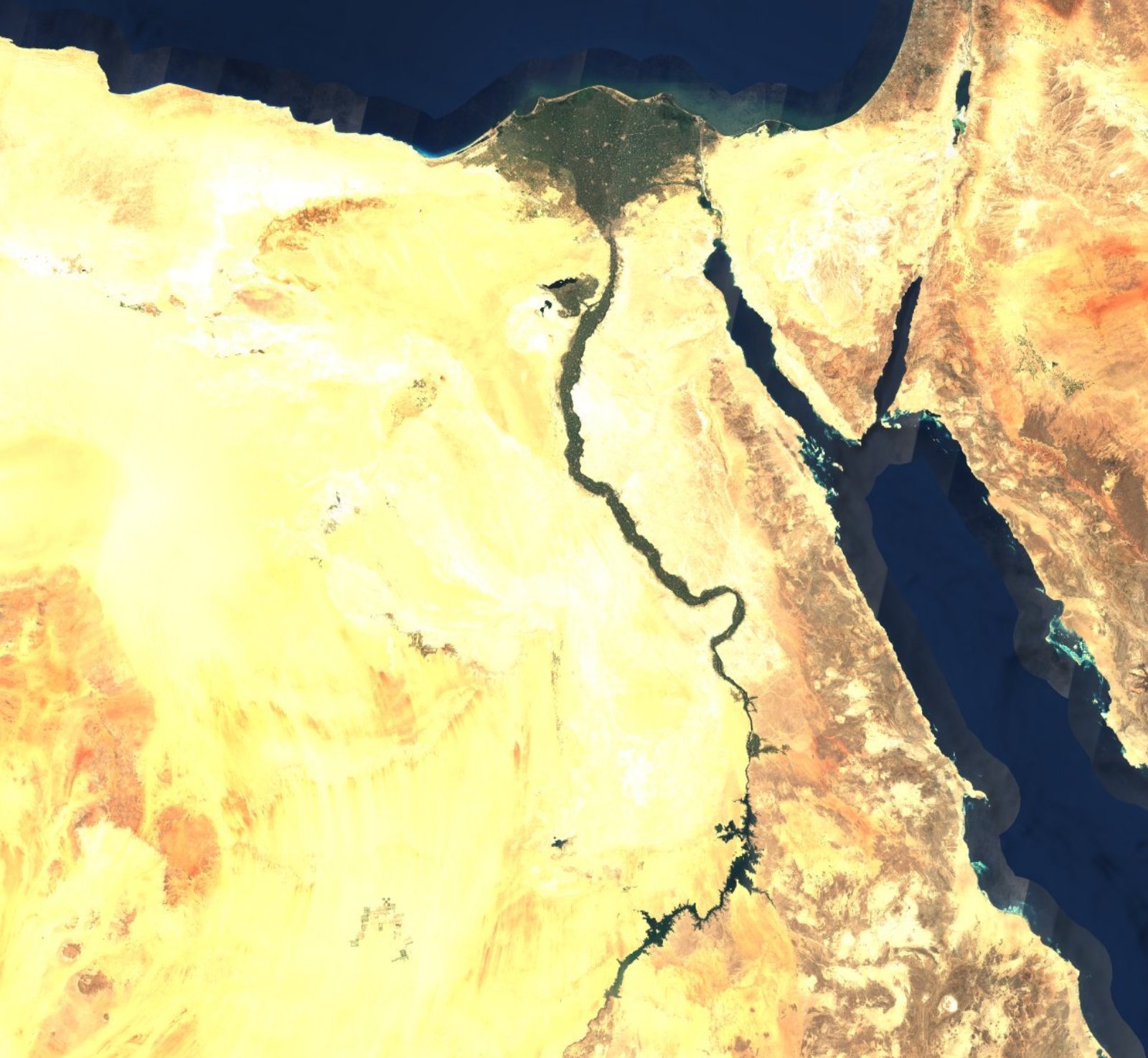
Memphis and its Necropolis, the Pyramid Fields from Giza to Dahshur 1979
Show as a list
- Memphis and its Necropolis, the Pyramid Fields from Giza to Dahshur 1979
- Historic Cairo 1979
- Ancient Thebes with its Necropolis 1979
- Nubian Monuments from Abu Simbel to Philae 1979
- Wadi Al-Hitan (Whale Valley) 2005
Say it yourself
The pronunciation is a guide, not an exact rendering.
Good to know
- Money
- Egyptian pound (EGP)
- Plug
- C/F, 230 V. Dutch plugs fit, so you do not need an adapter.
- Entry
- Dutch passport, valid for at least 6 months on arrival, with one blank page. Visa required, on arrival or through official Egyptian channels, for up to 30 days. A separate rule applies to short stays in the Sinai resorts. Current travel advice
Rules for Dutch citizens with a Dutch passport. Always check the current travel advice just before you leave.
Practical
Checked on 5 November 2026. Before you leave, always check NederlandWereldwijd.nl for current travel advice and entry rules.
- Travel advice Travel advice differs per region. The Nile valley, Cairo and the Red Sea are yellow. Parts of the country are orange or red, including much of the west, North Sinai and the border areas with Libya and Sudan. Insurers may limit cover under orange or red advice. Check NederlandWereldwijd before you book.
- Entry Dutch citizens need a passport valid for at least 6 months on arrival, with at least one blank page, and a paid visa. A visa on arrival is valid for up to 30 days. Check NederlandWereldwijd before you book.
- Medicines Many European prescription medicines are banned in Egypt, including methylphenidate (Ritalin, Concerta) and dexamfetamine. Check this before you leave.
- Time difference Egypt is usually 1 hour ahead of the Netherlands. Between the Dutch clock change in March and the Egyptian one in April, the time is the same as at home.
- Money You pay in Egyptian pounds. Cash machines are widely available. Limits apply to carrying cash in and out. Tipping, or baksheesh, is common for small services, so keep small notes to hand.
- Language and plugs The official language is Arabic. English and French are understood in parts of society. Plugs are types C and F.
- Health and water Do not drink tap water, buy bottled water. Do not swim or wade in fresh water, including the river. Heat is a real risk, so plan in rest. Care outside the cities and the Red Sea resorts is limited. Ask the GGD about vaccinations.
- Customs Dress modestly, especially in rural areas, mosques and souqs. Do not photograph military sites. During Ramadan, do not eat, drink or smoke in public by day. In 2027 it is expected to begin around 8 February. Check the dates before you book.
Frequently asked
Which parts of Egypt can a group trip include?
That differs per region. Cairo, the Nile valley and the Red Sea are yellow. The west of the country, except Siwa, is orange, and the border areas with Libya and Sudan and North Sinai are red. Many insurers change their terms under orange or red, so read the current advice.
How does the group arrange its visa?
Dutch citizens need a visa, which you pay for. A visa on arrival is valid for up to 30 days. If you apply online, use only the official channels of the Egyptian border authorities. Ask everyone to check that their passport is valid for 6 months on arrival.
Should participants check their medicines beforehand?
Yes. Amphetamine, dexamphetamine, methylphenidate and methadone are banned in Egypt, even with a Dutch prescription. Ask participants to check this with their doctor in good time. Medicines stay in their original packaging, and a medicine declaration is sometimes needed.
Can we fly direct to Luxor?
Do not assume so. Sources conflict on direct flights from Amsterdam, so count on a routing via Cairo. If you come through Hurghada, note that the road to Luxor is open by day only, and tour organisers ask the tourist police for permission beforehand.
How do we plan the Grand Egyptian Museum?
Expect a time slot booked online in advance, and a security check at the entrance. The museum has been fully open since November 2025 and draws many visitors. Check the current group rules with the museum itself before you plan the day.
What we can offer
- On request: a cultural trip along the Nile, from Cairo to Aswan
- On request: part of the trip on a smaller boat
- On request: a programme in Cairo around Giza, Saqqara and the Grand Egyptian Museum
- On request: a guide or tour leader for your own organisation's programme, within current travel advice